A flood can fill your home with water quickly, sometimes in minutes. Then comes the insurance claim.
Suddenly, you’re pulling up ruined flooring, tracking down a public adjuster, drying out walls before mold sets in, and trying to figure out whether your homeowner’s insurance policy or a separate flood policy is even supposed to cover any of it. When the insurance company delays, undervalues, or disputes your flood damage claim, recovery gets even harder.
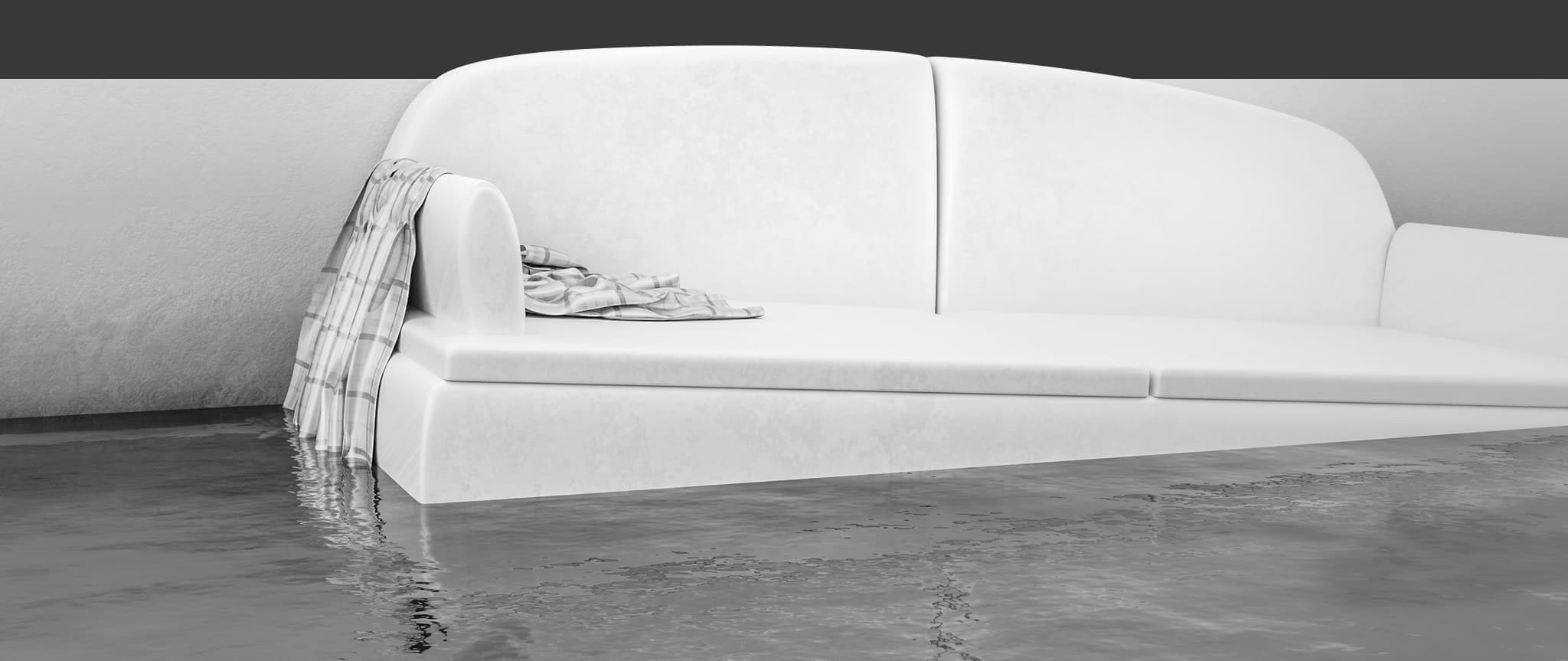
At Gordon Thomas Honeywell, our Tacoma flood insurance claim attorneys help home and commercial property owners navigate complicated flood damage insurance claims and disputes, including claims through the National Flood Insurance Program (NFIP) and private flood policies. We review the policy, the damage, and the insurer’s handling of your claim so you can focus less on fighting your insurance company and more on putting your property back together.
We assist property owners in Tacoma and surrounding areas dealing with:
- Residential flood damage claims
- Storm surge and heavy rain property loss
- Water damage from burst pipes and water heaters
- Mold growth following water intrusion
- Insurance claim disputes
From heavy rains and storm surges to other natural disasters, flood-related property damage is a growing concern for Tacoma home and commercial property owners, and one of the most misunderstood areas of insurance coverage.
Most Tacoma property owners are surprised to learn that a standard homeowner’s insurance policy typically excludes flood damage.
Flood insurance is typically purchased separately through a private insurance company or the National Flood Insurance Program (NFIP), administered by FEMA. Most commercial property policies also require separate flood coverage.
Water damage caused by a burst pipe, a failed water heater, or another sudden and accidental discharge inside your home is usually a homeowner’s insurance claim. Water damage caused by heavy rains, storm surge, or a rising river or other body of water is usually a flood insurance claim under an NFIP or private flood policy. Insurers sometimes dispute which category a loss falls into, and that dispute can be the difference between a paid claim and a denied one.
This distinction matters, and insurance companies know it, because where the water came from and how the damage occurred can determine which coverage applies.

You may look at a flooded home and think the loss is obvious. Your insurance company may see dozens of questions to answer before deciding what it will pay.
Insurance companies may investigate:
- The source and cause of the water damage
- Whether the event meets the policy’s definition of a flood
- Whether damage resulted from flooding or another type of water intrusion
- The extent of structural damage
- Damage to personal property
- Whether mold growth resulted directly from a covered loss
- Whether the property owner took reasonable steps to prevent additional damage
- Whether exclusions or coverage limits apply
- The value of repairs or replacement
- Whether multiple insurance policies may be involved
A disagreement over any one of these issues can significantly affect a flood damage claim. What your insurance company actually owes depends on the language and limits of your insurance policy. That is one reason having an experienced flood damage attorney review the policy can become important when substantial losses are involved.
Our flood damage insurance claim attorneys can step in when the insurance claims process stops feeling fair. Common property damage claims disputes may involve:
Undervalued Property Damage
The insurance company’s estimate may not account for the full extent of structural damage, current labor and material costs, or damage hidden behind walls, flooring, and insulation. A public adjuster’s estimate can sometimes differ significantly from the insurer’s own figures.
Water Intrusion and Structural Damage
A property does not have to be submerged to suffer serious damage. Water intrusion can travel into crawl spaces, wall cavities, subflooring, and electrical systems long after the visible water is gone. A dispute may arise when an insurer wants to dry and treat a component that you or your contractor believe needs to be removed and replaced.
Mold Growth
Mold can begin developing within 24 to 48 hours after a flood or other water damage event. Insurers sometimes argue that mold growth resulted from a policyholder’s delay in mitigation rather than from the covered water event itself, and may attempt to limit or deny coverage for remediation on that basis.
Personal Property Valuation
After a major flood, creating an inventory of everything you owned can be exhausting. Disagreements may arise over the value of those belongings, depreciation, documentation, and whether water-damaged items can realistically be restored.
NFIP and Flood Policy Coverage Disputes
The National Flood Insurance Program has its own claims process, forms, and proof-of-loss deadlines. Disputes can arise over replacement cost versus actual cash value determinations, and disagreements over whether specific structures or items are covered under an NFIP or private flood policy. When questions about coverage under your flood policy become the basis for a denial, limitation, or prolonged investigation, legal representation can help protect your interests.
Delays, Denial, and Bad Faith
There is a difference between an insurance company reasonably investigating a complicated flood and one using the claims process to avoid paying what it owes.
If your insurer repeatedly delays your claim, ignores evidence, misrepresents coverage, or unreasonably denies benefits, the dispute may also raise issues of bad faith.
If your flood policy is provided through the National Flood Insurance Program, the claims process differs from a standard homeowner’s insurance claim.
NFIP policies generally require policyholders to provide prompt notice of the loss and submit a signed and sworn Proof of Loss within 60 days, although FEMA can extend that deadline after certain catastrophic events.
Deadlines can also become especially important after a denied claim. Under the NFIP, a policyholder generally has one year from the insurer’s first written denial to file a lawsuit, and subsequent denial letters do not restart that statute of limitations.
Because federal requirements can apply to NFIP flood damage insurance claims, talking with an attorney early can help you understand which deadlines and procedures apply to your particular claim.
After significant flood damage, you may encounter several professionals during the insurance claims process.
An insurance adjuster investigates and evaluates the claim for the insurance company.
A public adjuster is hired by the policyholder to help document, value, and negotiate a property insurance claim. Washington requires public adjusters to be licensed.
A flood damage lawyer provides legal representation when questions arise about coverage, policy interpretation, claim handling, or an insurance dispute.
While a public adjuster can help value property damage, property damage attorneys can interpret insurance laws and policy obligations, challenge denied claims, negotiate insurance claim disputes, and pursue litigation when necessary.
Not every water incident requires legal representation. If a pipe bursts and your insurer promptly issues a check that covers the full cost of repairs, you likely do not need a lawyer. However, the moment friction enters the process, delaying your recovery or threatening your financial stability, an attorney becomes essential.
You should consult a flood insurance claim attorney if your claim has been denied, if the payout offer falls significantly short of actual contractor estimates, or if the insurer is taking an unreasonable amount of time to process your claim. Complex scenarios—such as dealing with commercial properties, multi-family units, or concurrent wind and water damage—also warrant legal counsel. Hiring an attorney early prevents you from falling into common procedural traps insurers use to limit their liability.
Insurance companies handle claims every day. Most homeowners and property owners don’t. We help level the playing field. Our property damage attorneys can review your policy and claim history, evaluate the insurance company’s estimates and coverage position, and work with the appropriate professionals to understand the full extent of the water and flood damage.
And because Gordon Thomas Honeywell is more than an insurance claims practice, complicated cases can draw on experience across insurance law, property matters, personal injury, and commercial litigation when those issues overlap.
Why a Pierce County-Based Firm Matters
National insurance defense firms know that most policyholders can’t afford a prolonged fight, and out-of-town claims mills often can’t offer the local knowledge to counter them. We’ve practiced in front of Pierce County judges and juries for decades. We understand how local courts view large insurance companies, and we use that experience to build leverage from the first letter we send.
What to Expect at Your Free Consultation
Bring what you have. That typically means your full policy (including the declarations page), any denial or delay letters, a timeline of your communications with the adjuster, and documentation of your loss, such as repair estimates and photos. If you don’t have everything, we can help you track it down. We’ll walk through your file, explain your legal rights in plain language, and tell you honestly whether we see signs of bad faith.
FAQs About Flood Damage Insurance Claims

We handle most bad faith and IFCA (Insurance Fair Conduct Act) cases on a contingency fee basis, meaning there’s no upfront cost and we only get paid if we recover compensation for you.
Usually not. Standard homeowner’s insurance policies typically exclude flooding caused by heavy rains, storm surges, or rising water, which is why separate flood insurance through the NFIP or a private carrier exists. Water damage from a burst pipe or a failed water heater, on the other hand, is generally covered under a standard homeowner’s policy. If you’re not sure which applies to your loss, we can help you find out.
The source of the water matters. Flooding can include excessive water from heavy rain, overflowing waterways, storm drains, or mudflows affecting normally dry land. Water damage from something like a sudden burst pipe may instead fall under homeowner’s insurance.
Ask for the reason in writing, along with the specific policy language supporting the denial. A denial does not necessarily mean the insurer is correct. NFIP claims also have their own appeal process and deadlines, so it’s important to act quickly. An insurance claims attorney can review the policy, evidence, and claims process to determine whether the denial should be challenged.
You do not necessarily have to accept the insurer’s first estimate. Document the differences between its estimate and estimates from qualified contractors or a public adjuster. Depending on your policy, an appraisal process may also be available when you and the insurance company disagree about the amount of the loss.
If your insurance company has denied, delayed, or underpaid a legitimate flood damage claim, you don’t have to accept it. Washington law gives policyholders real tools to fight back, and we know how to use them.
Schedule a Free Case Evaluation
Contact our legal team today for a free consultation. Our flood insurance claim attorneys can review your policy, your losses, and how your insurance company has handled the claim to help you understand what comes next.

GTH Attorneys Secure Unanimous Blaine City Council Approval for Semiahmoo Highlands Project

RCW 61.40.010 – Important New State Law Regarding Purchase of Off-Market Properties

Promotions to Senior Associate